
Cold Pressed Coconut Oil Uses in Everyday Cooking
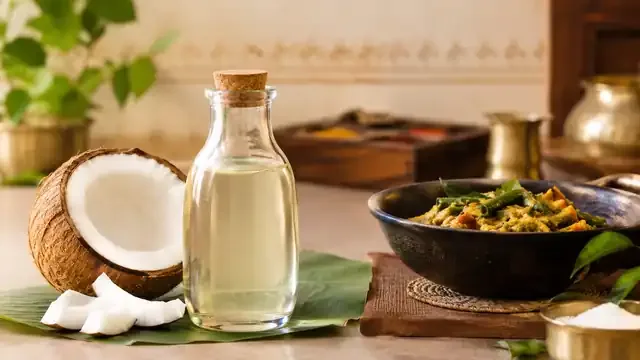
Step into a South Indian kitchen at tempering time, and the first thing you notice is the fragrance of coconut oil warming in the pan. For generations, homes across Kerala, Tamil Nadu, and Karnataka have cooked with it, and cold-pressed coconut oil carries that fresh coconut aroma into every dish. This blog explores the main cold-pressed coconut oil uses in everyday cooking and shows how to use coconut oil in cooking, from tempering and curries to frying and baking, with simple heat tips and storage advice.
What Is Cold-Pressed Coconut Oil?
Cold-pressed coconut oil is made by pressing dried coconut kernels slowly at a low temperature, using only mechanical pressure. This gentle method preserves the natural aroma, flavour, and nutrients of the coconut. In a cold-pressed vs refined oil comparison, refined coconut oil goes through additional processing steps, which give it a neutral taste and scent.
The cold-pressed version keeps its clear coconut fragrance, and that fragrance becomes part of the finished dish. It is solid in cooler weather and turns liquid as soon as it is warmed, so its texture changes with the season while its quality stays the same. These simple qualities shape every one of the cold-pressed coconut oil uses described in this blog.
Why Coconut Oil Suits Everyday Cooking
Three qualities make this oil a favourite in everyday kitchens. The first is flavour. A small spoon adds a rounded coconut note to vegetables, lentils and rice dishes. The second is its behaviour in the pan. Unrefined coconut oil has a smoke point of around 350°F (177°C), which suits medium-heat cooking such as tempering, sautéing, shallow frying and baking. This makes cold-pressed coconut oil for cooking well suited to most daily recipes that rely on a medium flame.
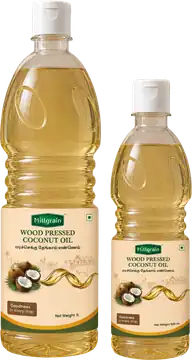
The third quality is tradition, and coconut oil for South Indian cooking has a long and delicious history. It is the primary fat for poriyals, curries, and festive dishes, and many recipes were created around its aroma. Together, these qualities explain why cold-pressed coconut oil uses feel so natural in everyday meals.
Tempering and Sautéing with Coconut Oil
Among all cold-pressed coconut oil uses, tempering is the most popular in a daily kitchen, and it takes only a minute. Warm a spoon or two of oil on a medium flame, then add mustard seeds, urad dal, dried red chilli, and curry leaves. Each ingredient releases its aroma into the oil, and the oil carries that aroma through the whole dish. Many South Indian kitchens keep gingelly oil for pickles and some tempering, while coconut oil leads for poriyals and curries.
Cold-pressed coconut oil for tempering suits sambar, rasam, kootu, dal and coconut chutney. A few simple steps bring out the best result:
- Heat the oil on a medium flame until it feels warm and smells fragrant.
- Add the mustard seeds and let them crackle gently.
- Add the dal and chilli, then the curry leaves once the dal turns golden.
- Lower the flame when the onions go in.
Sautéing is another of the simple cold-pressed coconut oil uses, and it follows the same approach. Beans, carrot, cabbage, and beetroot cook beautifully in a spoon or two of oil, and a handful of grated coconut added at the end completes a classic poriyal or thoran.
Cold Pressed Coconut Oil Uses in Curries and Traditional Dishes
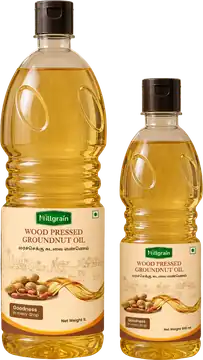
Kerala cooking shows the full range of uses of cold-pressed coconut oil. Avial, a mixed vegetable dish served at weddings and festivals, is traditionally prepared with a generous amount of coconut oil, which gives it a rich aroma. Theeyal, erissery, kootu curry and fish curry also rely on the oil for depth of flavour. A traditional sadya uses coconut oil for curries, gingelly oil for pickles and wood-pressed groundnut oil for deep-fried items such as banana chips. Among traditional cold-pressed coconut oil uses, a raw drizzle at the end of cooking is a cherished favourite. A teaspoon of oil poured over a finished avial or a bowl of steamed rice adds fragrance in its purest form. Coconut chutney served with idli and dosa also gains a lovely finish from a quick tempering in the same oil.
Frying and Roasting with Coconut Oil
Among everyday cold-pressed coconut oil uses, shallow frying and pan frying are firm favourites. Pappadam, cutlets, fish fry and vegetable fritters turn crisp and take on a light coconut aroma. Roasting vegetables, spices and grated coconut in a spoon of oil brings out their natural flavour as well.
Cold-pressed coconut oil for frying works best on a medium flame, which keeps the oil below its smoke point of about 177°C. For frying at higher temperatures over longer periods, many kitchens pair coconut oil with groundnut oil and use each where it suits best.
Baking, Sweets and Breakfast
Sweets are among the most loved cold-pressed coconut oil uses in Indian homes. Coconut oil is a popular fat in Indian sweets such as ladoo and barfi, where it adds richness and a soft texture. Payasam finished with a spoon of coconut oil gains a pleasant aroma, a practice that is common in Kerala sadya meals.
Cold-pressed coconut oil for baking suits cakes, muffins and cookies, since solid coconut oil can replace butter in many recipes and makes dairy-free baking simple. Measure the oil in its solid form and soften it gently before creaming. At breakfast, a thin brush of oil on the tawa gives dosa, appam and uttapam a light golden surface and a mild coconut fragrance.
Cooking Chart at a Glance
The table below brings the main cold-pressed coconut oil uses together so the right choice is easy to find.
| Cooking Method | Heat Level | Suitable Dishes |
|---|---|---|
| Tempering | Medium | Sambar, rasam, kootu, dal, chutney |
| Sautéing | Medium | Poriyal, thoran, stir-fried vegetables |
| Curry base | Medium to low | Avial, theeyal, fish curry |
| Shallow frying | Medium | Pappadam, cutlets, fish fry, vegetable fritters |
| Roasting | Medium | Vegetables, spices, grated coconut |
| Baking | Moderate oven | Cakes, muffins, cookies, ladoo |
| Finishing | After cooking | Drizzle over avial, rice, payasam |
Choosing and Storing the Oil
Fresh oil makes every one of these cold-pressed coconut oil uses more enjoyable, so the bottle deserves a little care. A good bottle has a fresh, natural coconut scent and a simple label that lists coconut as the only ingredient. Labels such as cold-pressed or wood-pressed indicate slow, low-temperature extraction. Glass or dark bottles protect the oil from light.
Store the bottle in a cool, dark place away from the stove. The oil may solidify below roughly 24°C and return to liquid when warmed gently, so a cool kitchen shelf works well. Cold-pressed oils retain natural compounds, which means they are best used within three to four months of opening. Households that cook with several oils often keep coconut, groundnut and gingelly oil within reach for tempering, frying and finishing.
Bringing Coconut Oil Into Your Daily Cooking
Coconut oil is a fine example of how Pure Organic foods bring the fragrance of fresh coconut to everyday meals, and the cold-pressed coconut oil uses above show how widely it fits into daily cooking. Tempering, sautéing, curries, shallow frying, baking, and finishing all benefit from its aroma at medium heat. Readers who wish to try these methods can begin with a simple tempering for sambar or a poriyal, then enjoy the fragrance that follows.
Frequently asked questions
Can cold-pressed coconut oil be used for deep frying?
Cold-pressed coconut oil is best suited to shallow frying and medium-heat cooking, since its smoke point is around 177°C. For longer frying at higher temperatures, groundnut oil is a common choice.
Which dishes suit cold-pressed coconut oil best?
Tempering for sambar and kootu, poriyals, avial, theeyal, and fish curry bring out the best of this oil. Baked goods, ladoo, and payasam also carry its aroma beautifully.
Does cold-pressed coconut oil change the taste of food?
Yes, it adds a mild, pleasant coconut fragrance that blends into curries, vegetables, and sweets. A small quantity gives a gentle note, and a larger quantity gives a stronger one.
How should cold-pressed coconut oil be stored after opening?
Keep it in a closed bottle in a cool, dark place away from the stove. The oil may solidify in cool weather and turn liquid again when warmed.
Can cold-pressed coconut oil replace butter in baking?
Yes, solid coconut oil can replace butter in cakes, muffins, and cookies for a dairy-free recipe. Measure it in solid form and soften it gently before mixing.